Mastering AI UX Design: Trends, Tools, and Best Practices
Introduction to AI UX Design
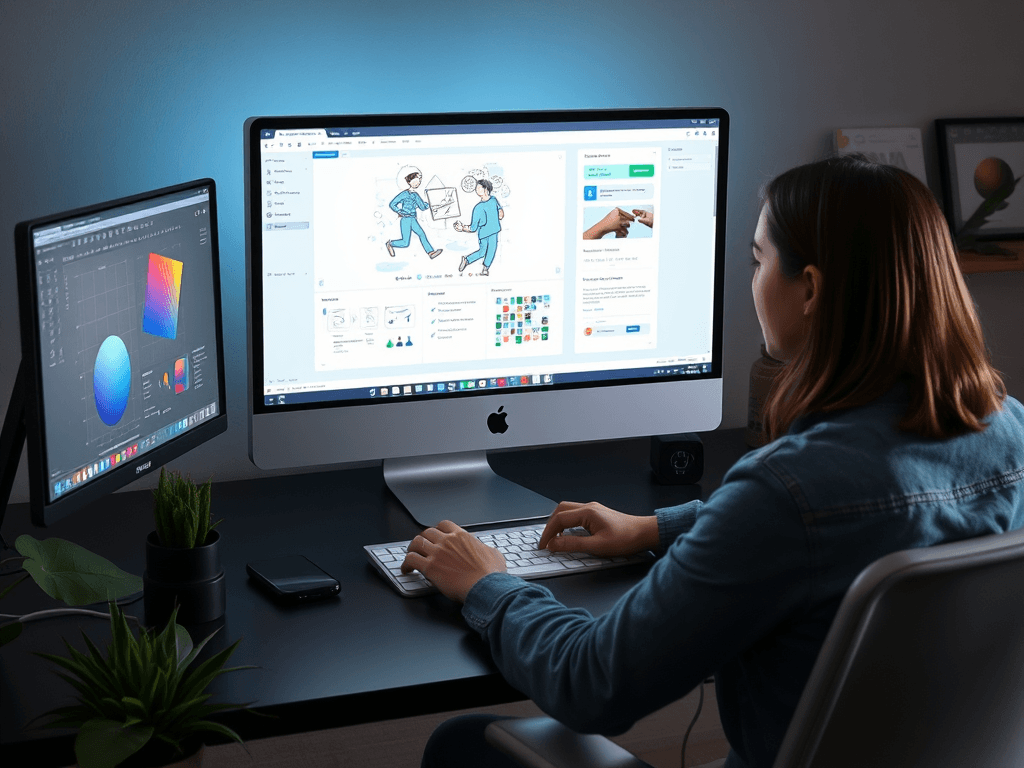
AI UX design is transforming the way designers approach product development. With the rise of AI-powered design tools, designers can now generate wireframes, mockups, and user flows in a fraction of the time. In this article, we'll explore the latest AI UX design trends, tools, and best practices to help you enhance your design workflow and create user-friendly interfaces.
AI-Powered Design Tools
There are several AI-powered design tools available that can help designers streamline their workflow and create high-quality designs. Some popular tools include UX Pilot, Banani, Uizard, Google Stitch, Visily, Relume, and Lovable. These tools offer a range of features such as AI-generated UI layouts, wireframes, and mockups, as well as design assistants that can help with tasks such as layer naming and asset retrieval.
Leveraging AI for User-Friendly Interfaces
AI can help designers create user-friendly interfaces by providing real-time feedback and suggestions. AI-powered design tools can analyze user data and provide insights on how to improve the design. Additionally, AI can help designers create personalized experiences for users by adapting designs based on user behavior and preferences.
Enhancing UX Research with AI
AI can also enhance UX research by automating the analysis of user data and providing actionable insights. AI-powered tools can help designers identify patterns in user behavior and make data-driven design decisions. Furthermore, AI can help designers conduct usability testing and gather feedback from users.
Future Trends in AI UX Design
The future of AI UX design is exciting and transformative. Predictive design models and evolving designer roles are two key trends that will shape the future of AI UX design. As AI continues to evolve, designers will need to adapt and develop new skills to remain relevant.
Conclusion
In conclusion, AI UX design is a rapidly evolving field that offers many opportunities for designers to enhance their workflow and create user-friendly interfaces. By leveraging AI-powered design tools and best practices, designers can create high-quality designs that meet user needs and expectations. As the field continues to evolve, it's essential for designers to stay up-to-date with the latest trends and developments to remain competitive.